
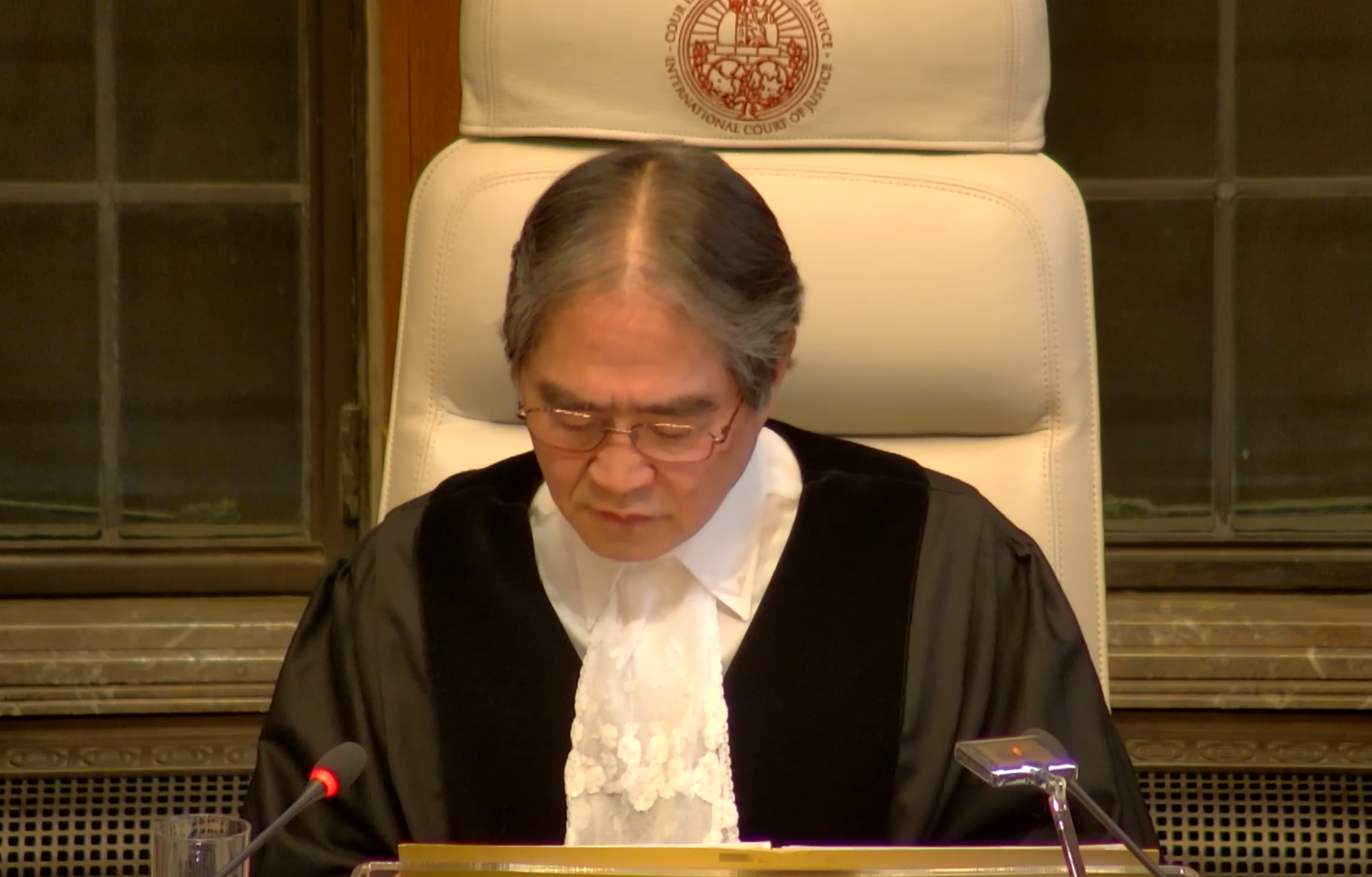
The International Court of Justice has this morning given its judgment in the matter of The Gambia v. Myanmar, concerning mass killings and eradication of the Rohingya minority in the Northern Rakhine by Myanmar’s security forces and government, known as its “clearance operations” in 2016 and 2017.
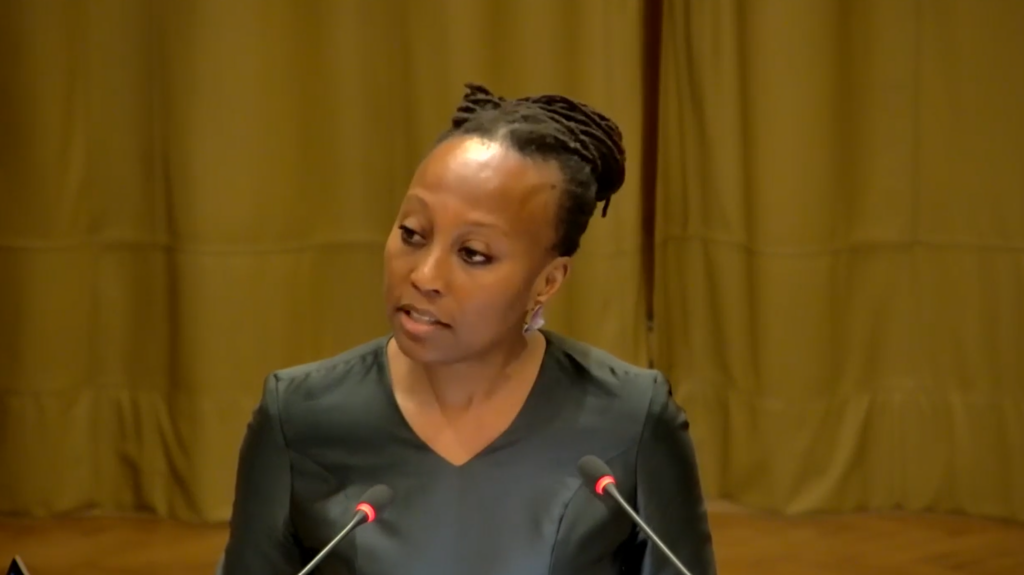
The ICJ’s judgment found Myanmar responsible for violating the 1948 Genocide Convention, by conducting genocidal acts and by failing to prevent and to investigate, prosecute and punish genocide. The judgment was unusually close; the key question of responsibility for genocide was passed with votes 9 to 6.
In consequence, the Court recognised Myanmar’s obligation to never repeat the actions, and to present guarantees to the international community for non-recurrence. The ICJ permitted The Gambia to seek adequate, effective, and prompt reparation and restitution for the Rohingya minority from Myanmar, in the interest of mankind. Such measures could include safe return for the Rohingya, restitution of lost property, search for the disappeared and dignified burials, facilitate rehabilitation and recovery of victims, and ensure the protection of Rohingya from persecution and discrimination. In the Court’s view, the Rohingya were furthermore entitled to adequate compensation insofar as the damage done may not be made up for via restitution.
The judgment is likely to keep international law scholars busy for a while. Academic highlights in the judgment include a holistic approach on the determination of genocidal intent, the incorporation of hate speech and its toleration as a relevant indicator in the assessment of genocidal intent, discussion on the role of social media management by a government, et cetera.
The judgment and other case documents are accessible at the ICJ website here.
